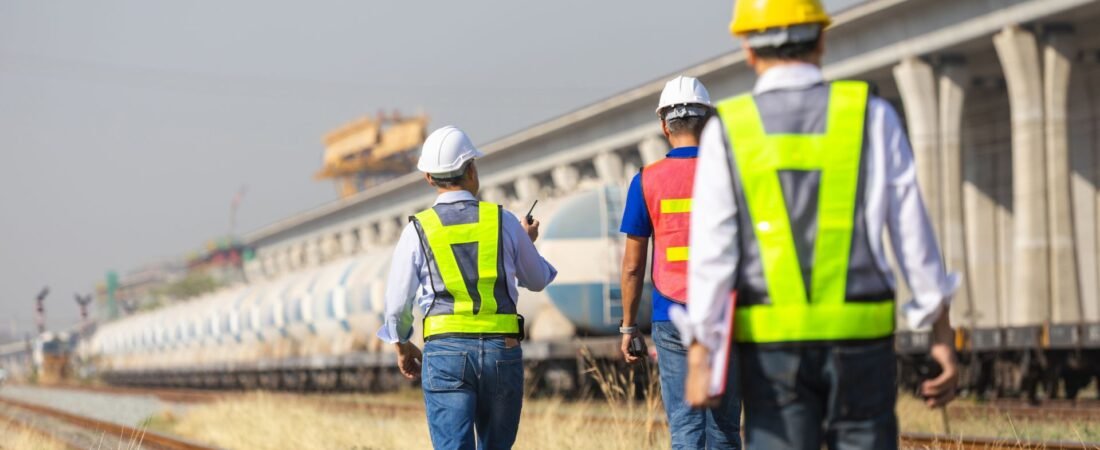
Industrial infrastructure management supports the long-term operation of large-scale facilities used in production, energy, and logistics. In Western Australia, industries such as mining, oil and gas, and manufacturing depend on structured management systems to maintain efficiency and safety. Industrial infrastructure services in Western Australia include planning, monitoring, maintenance, and optimization of industrial assets.
This article explains infrastructure management systems in a clear and structured format. It covers processes, technologies, and applications used in industrial environments.
Overview of Industrial Infrastructure Management
Industrial infrastructure management refers to the coordination and control of physical assets used in industrial operations. These assets include processing plants, pipelines, power systems, warehouses, and transport networks.
Industrial infrastructure services in Western Australia focus on ensuring that these systems operate efficiently throughout their lifecycle. Management systems track performance, schedule maintenance, and reduce operational risks.
Infrastructure management also includes documentation of asset conditions, repair history, and system performance data.
Asset Tracking and Performance Monitoring
Asset tracking systems record the condition and usage of infrastructure components. Sensors and monitoring devices collect real-time data such as temperature, pressure, vibration, and load levels.
This data is processed using digital platforms to evaluate system performance. Alerts are generated when abnormal conditions are detected.
Industrial infrastructure services in Western Australia use these systems to improve reliability and reduce unplanned downtime.
Maintenance Planning and Execution
Maintenance is divided into preventive, corrective, and predictive categories. Preventive maintenance follows scheduled intervals such as 30, 90, or 180 days depending on equipment type.
Corrective maintenance addresses system failures or damage. Predictive maintenance uses data analytics to detect early signs of failure.
Industrial infrastructure services in Western Australia apply structured maintenance planning to extend asset life and maintain operational continuity.
Lifecycle Management of Infrastructure Assets
Lifecycle management covers all stages from installation to decommissioning. Each asset has a defined operational lifespan based on material type, usage, and environmental exposure.
Data from inspections and monitoring systems is used to plan upgrades or replacements. This reduces unexpected failures and improves system efficiency.
Industrial infrastructure services in Western Australia ensure that lifecycle management systems maintain long-term infrastructure stability.
Digital Technologies in Infrastructure Management
Modern infrastructure management uses digital tools for data analysis and system control. Building Information Modeling provides a digital representation of physical assets.
Supervisory Control and Data Acquisition systems monitor industrial operations in real time. Cloud-based platforms store and process large volumes of operational data.
Industrial infrastructure services in Western Australia integrate these technologies to improve decision-making and system visibility.
Risk Management and Safety Systems
Risk management includes hazard identification, risk assessment, and mitigation planning. Safety systems are installed to detect leaks, overloads, and equipment failures.
Emergency shutdown systems and alarms are used in high-risk environments such as chemical plants and energy facilities.
Industrial infrastructure services in Western Australia implement safety protocols to reduce operational risks and ensure regulatory compliance.
Industrial Applications of Infrastructure Management
Mining operations use infrastructure management for equipment tracking, processing plant control, and transport coordination.
Energy facilities manage pipelines, gas storage systems, and power distribution networks. Manufacturing plants rely on asset management for production efficiency and equipment maintenance.
Industrial infrastructure services in Western Australia support these industries through structured management systems that improve performance and reliability.
Compliance and Regulatory Framework
Infrastructure management must follow national and regional regulations. These include workplace safety laws, environmental protection standards, and engineering codes.
Regular audits and inspections ensure compliance with these standards. Documentation is required for all maintenance and operational activities.
Industrial infrastructure services in Western Australia maintain compliance to ensure safe and reliable industrial operations.
FAQ
What is industrial infrastructure management
It is the process of monitoring, maintaining, and optimizing industrial assets and systems.
Why is infrastructure management important
It ensures system reliability, reduces downtime, and extends asset lifespan.
Which industries use infrastructure management in Western Australia
Mining, energy, manufacturing, and logistics industries use these systems.
What technologies are used in infrastructure management
Technologies include sensors, digital monitoring systems, and data analytics platforms.
What is lifecycle management
Lifecycle management covers the full lifespan of infrastructure assets from installation to retirement.
Conclusion
Industrial infrastructure management is essential for maintaining stable and efficient industrial operations. In Western Australia, industries depend on structured systems to manage complex infrastructure networks. Industrial infrastructure services in Western Australia include monitoring, maintenance, and optimization of critical assets.
These services ensure operational continuity, safety compliance, and long-term system performance. With structured management and digital technologies, industrial infrastructure continues to support industrial growth and economic stability across the region.